I bring clarity
to complex digital
products.
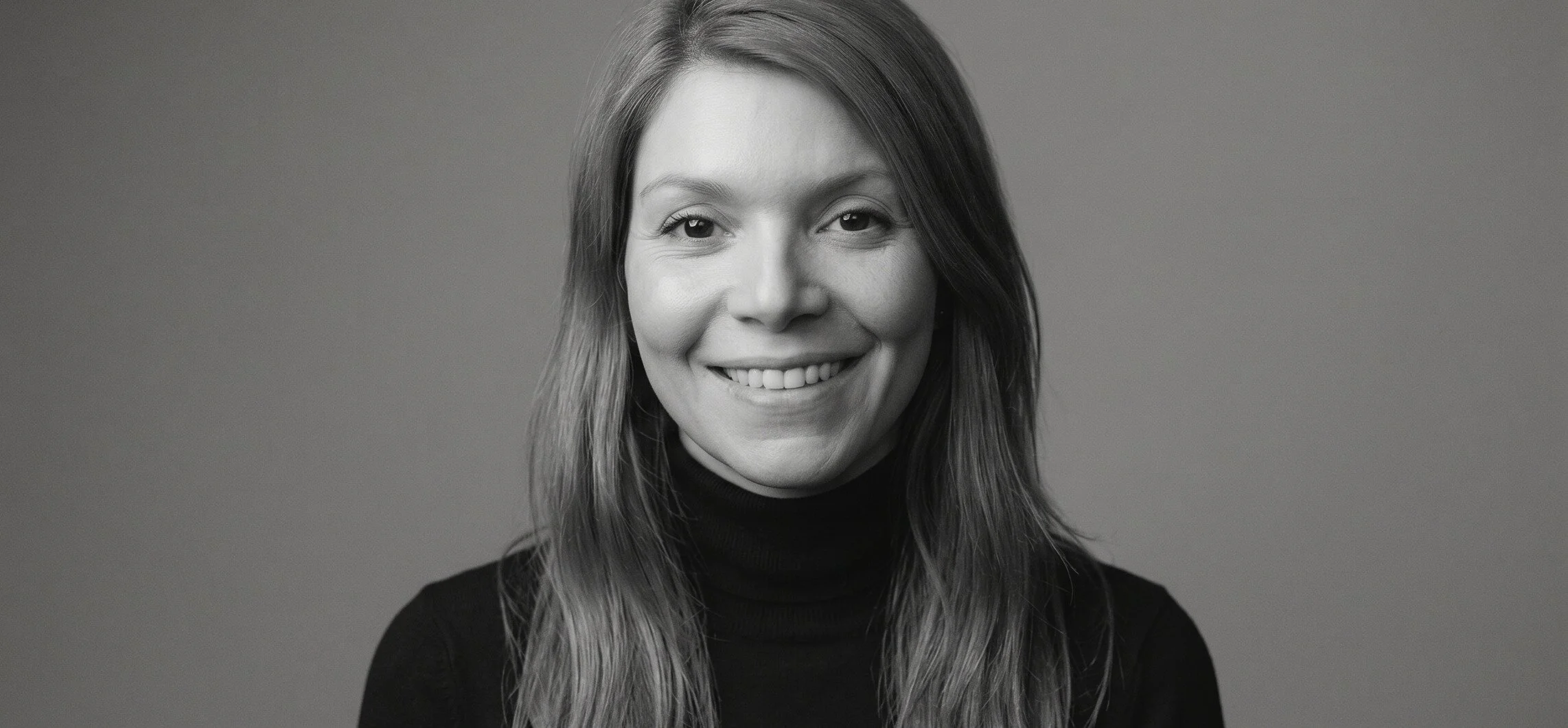
Product Designer with 15+ years of experience. Most recently Lead Product Designer at OpenSport, an AI-native sports performance product for elite teams.
The shape
of the work
My work has always lived somewhere between strategy, design, and implementation. I'm usually drawn to the moments when a product is still unclear — the problem is complex, the information is messy, the user journey needs structure, or the team needs a clearer way to move forward.
That's where I feel most useful. Turning ambiguity into something people can understand, test, build, and improve.
I work across UX, UI craft, systems thinking, and hands-on implementation. I like staying close to engineering, because that's where ideas actually become product. For me, design is not only about creating screens — it is about shaping the experience behind them.
The path
to here
I started in visual design, branding, and websites — a foundation in craft and communication. Later I co-founded Flama, a design studio in Brazil that ran for over a decade. That experience shaped the way I work today. I learned how to listen carefully, understand business context, move between big-picture thinking and detailed execution, and design solutions that are not just beautiful, but useful and realistic.
Over the years I moved deeper into product design — onboarding, dashboards, systems, flows, mobile experiences, information architecture.
More recently, my focus is AI-driven and data-heavy products. At OpenSport I design experiences for sports performance teams, helping transform complex athlete, GPS, and performance data into clear interfaces that coaches, analysts, and staff can use in real decision-making moments. This kind of work requires care, because the product needs to feel credible, fast, and easy to understand.
How I
work
I lean toward prototyping early. When something is ambiguous, I'd rather build a clickable prototype than write another doc — the team reacts to a real surface, and we move faster.
Some problems are too tangled to design straight into. For those I get the team in a room. I've facilitated Design Sprint workshops with cross-functional groups at Nexur and Impulso — to scope new features and rethink existing ones, and to give product, engineering, and marketing a clearer way to move forward together.
I work hands-on with HTML, CSS, and Tailwind, and use AI-assisted coding (Claude Code, Cursor) for the React and TypeScript layer. I direct the work, review every diff, and ship the PR.
I'm transparent about what's done versus what's still pending. I'd rather flag a problem early than surprise people later.
I also build my own scaffolding for the things I do twice — design tooling, a small research library, prompt patterns, a few personal apps for what I want to learn or track. Building the tool usually teaches me something the work itself wouldn't have. The most complete of those is Parléa, a French speaking trainer I designed and built end to end: brand, design system, AI speaking surfaces, and the front-end.
Principles
I'm influenced by Ray Dalio's Principles (principles as practical decision-making filters, not abstract values), by stoicism (focus on what I can control: the quality of my thinking, the care I bring, how I respond), and by minimalism (less is not the goal — removing what distracts from what matters is).
Clarity before cleverness
Make things easier to understand, not harder to explain. The best design often feels obvious after it works.
Focus on what can be controlled
The quality of my thinking, how I frame the problem, how honestly I communicate, how much care I put into the work.
Remove what does not serve the user
Simplicity is about purpose, not emptiness. A product can be rich and still be clear.
Let reality teach the work
Prototypes, drafts, and rough interfaces teach more than long discussions. Visibility is how abstract ideas become real products.
Strong opinions, open mind
A clear point of view is useful — but only if it can evolve when the product, users, or team need something better.
Craft is care
The care behind hierarchy, spacing, language, interaction, rhythm, and consistency. How a product earns trust in small moments.
Build systems, not only screens
A good decision should help more than one moment. Design for the next person who will build on this.
Simplicity without removing depth
Organize complexity so people can understand it, trust it, and act on it — without making it shallow.
Stay close to the work
Design becomes stronger when it understands constraints, implementation, behavior, edge cases, and real usage.
Keep learning close to practice
Curiosity matters most when it improves the work. Learning is part of the craft, not separate from it.
What I'm
drawn to
Complex workflows. Mobile-first experiences. AI interfaces that need to feel trustworthy as well as smart. Onboarding and first-use clarity. Dashboards that help people decide rather than just look at numbers. Product storytelling. Design systems that help the next person move faster.
I care about UI craft — but not in a decorative way. For me, good UI is a form of clarity. The right hierarchy, spacing, language, interaction, and visual rhythm can help people understand what matters faster. It can reduce friction, create trust, and make a complex product feel more human.
Get in
touch
Authorized to work in Canada · hybrid or remote.
hello@michelleprotzek.com · LinkedIn · GitHub · See the work →